How we are developing Quality Management in industrial projects
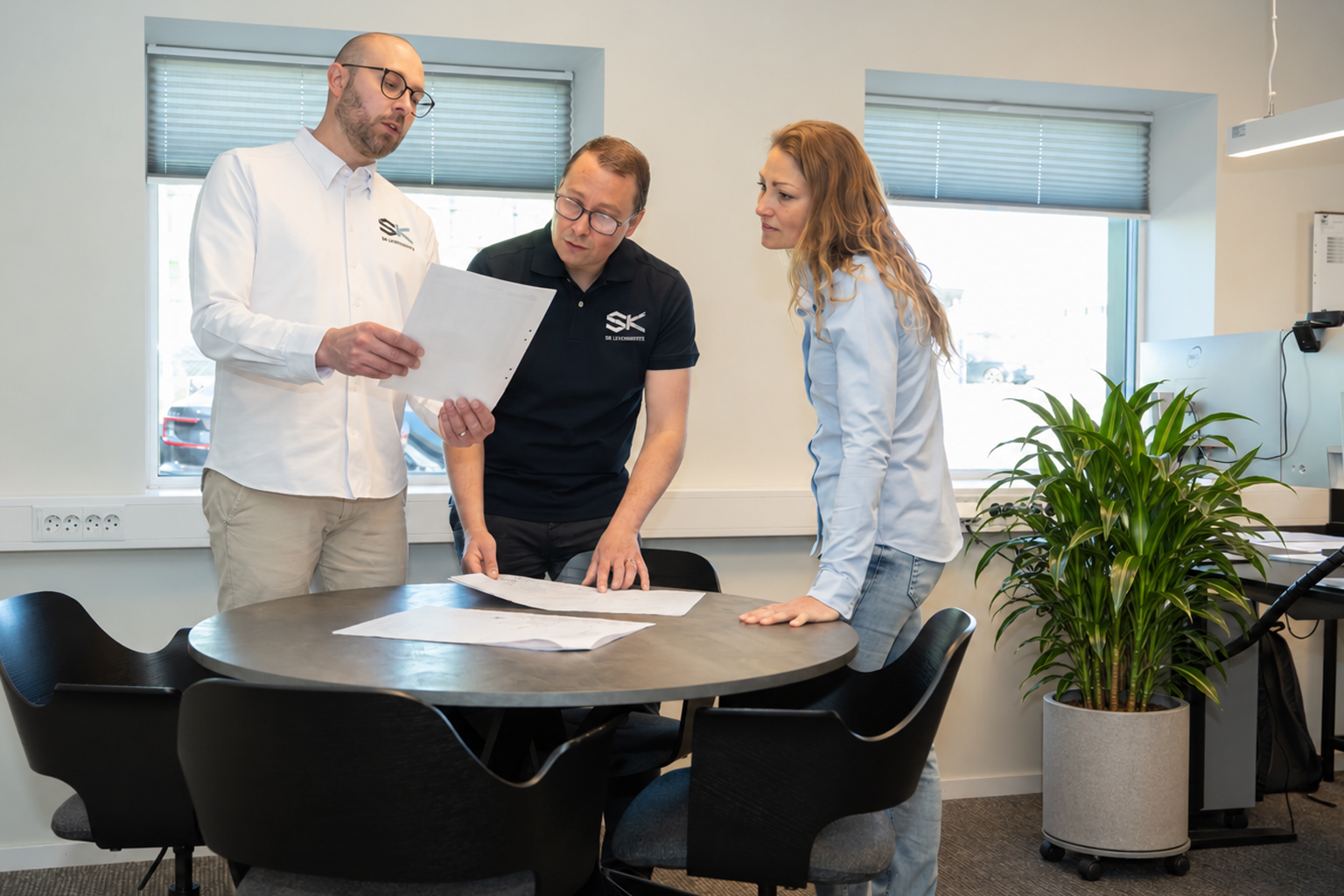
In complex industrial projects, many issues need to be resolved before work can begin, while others arise along the way. We are developing our quality management processes to identify potential obstacles early, simplify reporting and give both customers and project teams better control throughout project delivery.
Traceability and welding inspection are essential to our industrial piping and installation work. We are certified to EN 1090-1 and ISO 3834-2, which set requirements for production control and welding quality.
We are also developing our work in quality, environmental management and occupational health and safety. Project Manager Ari Lehto has a background in hands-on industrial work, engineering and site supervision. He has also worked with quality management and understands the importance of procedures that work in practice, on site and in the customer’s operations.
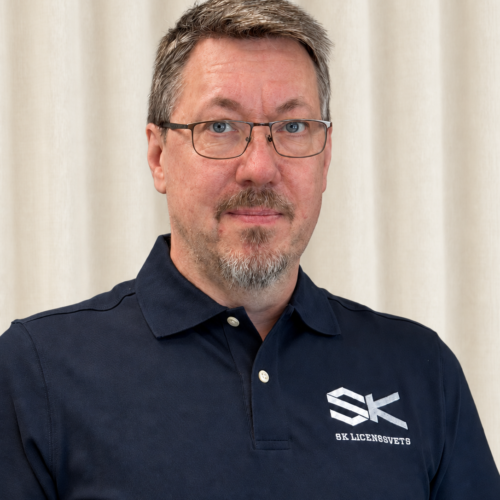
Ari Lehto, Project Manager at SK Licenssvets
”Procedures need to be simple, clear and part of everyday work. That’s how we make sure they are followed.”
Preventing obstacles before a project begins
When working at facilities with specific security requirements, the necessary arrangements must be in place before work can start. Personnel may need to complete special training and undergo security vetting.
Requirements vary by facility and scope of work, and they are not always fully specified in the initial tender documentation. This makes it important to clarify the conditions at an early stage.
Ensuring the right people have the required training and access permissions is a security requirement for both our customers and ourselves. By identifying these requirements early, we can plan more effectively and reduce the risk of delays when a project begins.
Better control when project conditions change
When work deviates from the original plan, we need to document it. This may involve obstacles, changes or additional work. Previously, reporting has involved several manual steps, making the process time-consuming. There has also been a risk that some deviations were not reported at all.
We are introducing a new system that lets you report deviations directly from a mobile phone by scanning a QR code on the work order. The report is then emailed to the supervisor or project manager.
The aim is to simplify reporting, save time and make it easier to identify deviations directly on site. For customers, this will provide better information to monitor progress and make decisions throughout the project.
Passing on practical expertise
Ari highlights a growing generational gap in the industry. Many experienced professionals are approaching retirement, and there is not always someone with comparable experience ready to take over.
Documenting working methods and establishing practical, effective procedures will make it easier for new employees to get up to speed. For our customers, this is about continuity and access to the right expertise, even as people and project teams change.
Would you like to learn more about how we work?
Explore our services or contact us to discuss your project.